
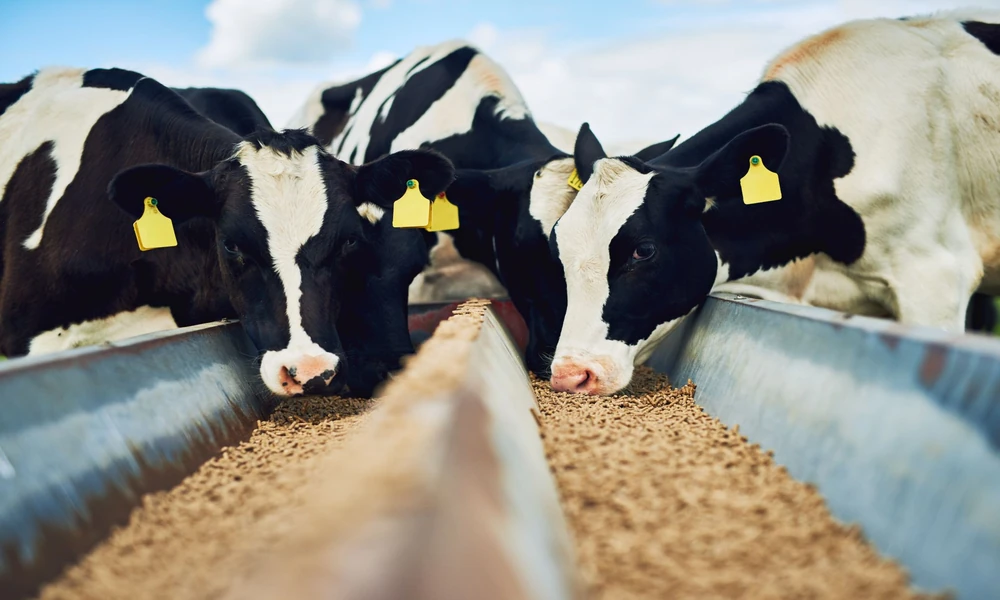
The global beef trade is supported by an interconnected network of producers, processors, transportation providers, distributors, retailers, and financial institutions. Every shipment reflects careful planning to meet consumer demand while complying with food safety regulations and international trade requirements.
Major Export and Import Hubs
Brazil, the United States, Australia, and Argentina are among the world’s leading beef exporters. These countries have well-established cattle industries and processing facilities capable of supplying customers across Asia, Europe, North America, and the Middle East.
On the importing side, countries purchase beef to supplement domestic production or satisfy demand for specific cuts and product types. Consumer preferences, population growth, and economic conditions all influence purchasing decisions and trade volumes throughout the year.
How Beef Moves Across Borders
After processing, beef enters a refrigerated supply chain that protects product quality during transportation. Refrigerated trucks move products to ports, where temperature-controlled shipping containers transport them to international destinations. Once shipments arrive, customs inspections and food safety reviews take place before products enter regional distribution networks. Reliable transportation schedules and proper cold storage are essential because delays can affect inventory availability, product quality, and customer deliveries.
Financial and Regulatory Considerations
Global beef trade depends on more than transportation. Tariffs, import regulations, animal health standards, and trade agreements all influence where products can be sold and how they move between countries.
Financial planning also plays an important role. Many companies rely on corporate banking services to support international payments, manage foreign currency transactions, finance inventory purchases, and maintain healthy cash flow across global operations.
The global beef trade demonstrates how agriculture, logistics, finance, and international regulations work together to support worldwide commerce. Businesses that understand these trade routes are better equipped to anticipate market changes, strengthen supplier relationships, and improve supply chain planning. Check out the infographic below for more information.