
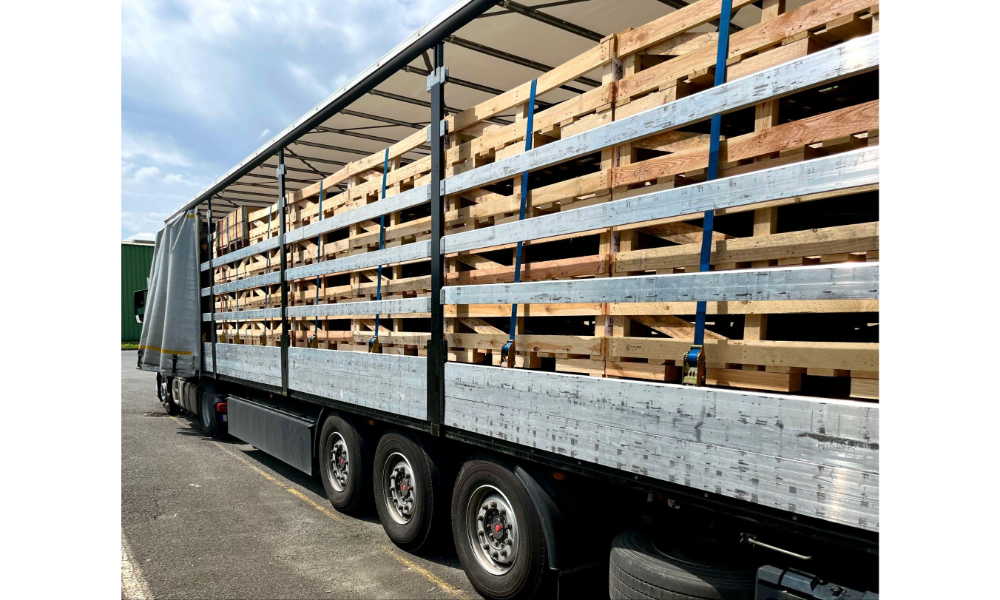
Wooden cases have been used as a reliable packaging solution across industries. In the current logistics landscape, where efficiency and safety are paramount, they continue to prove their worth. Businesses rely on the strength, versatility, and sustainability of wooden cases to ensure that goods arrive at their destinations in perfect condition. This article discusses the reasons why a wooden case remains a staple in modern logistics transport and how it continues to serve various industries with remarkable consistency.
Durability That Protects Goods Throughout Transit
A major reason for using a wooden case in logistics transport is its outstanding durability. These cases can withstand heavy weight, stacking pressure, and environmental stress during shipping. Whether transported by land, air, or sea, wooden cases provide a sturdy shield against impacts, vibrations, and exposure to moisture. Their structural strength makes them ideal for securing machinery, industrial tools, and fragile components that need stable protection during long-distance haulage.
Unlike lightweight packaging materials, wood absorbs shock efficiently and prevents internal movement, reducing the risk of product damage. This level of resilience allows logistics professionals to maintain the quality of shipments while minimising the likelihood of costly replacements or repairs.
Versatility for Different Cargo Requirements
Wooden cases are highly adaptable, allowing manufacturers and exporters to customise dimensions and structures to suit the cargo. Whether transporting machinery parts, electronic components, or delicate instruments, the design of a wooden case can be adjusted for precise fitting. This versatility ensures maximum space utilisation within containers and prevents wasted volume during logistics transport.
Additionally, wooden packaging supports hybrid shipping methods. Goods can move seamlessly between air freight, road delivery, and sea transport without needing repacking. This flexibility saves time and improves operational flow, making wooden cases indispensable for businesses that handle complex shipping requirements.
Ease of Handling and Efficient Storage
In logistics operations, time and efficiency go hand in hand. Wooden cases contribute to both by offering straightforward handling and stacking. Their rigid frame supports easy forklift operations, allowing for quick loading and unloading. In warehouses, wooden cases can be safely stacked, helping to maximise vertical storage without compromising product safety.
This practicality reduces handling time and enhances workflow efficiency, particularly in busy logistics facilities where thousands of shipments are processed daily. By using a uniform structure that accommodates automated handling systems, wooden cases streamline transportation processes while maintaining order and stability throughout the supply chain.
Sustainability and Reusability in Modern Logistics
As industries transition towards greener practices, wooden cases align perfectly with sustainability goals. They are made from renewable materials, and when sourced responsibly, contribute to eco-friendly logistics transport. Many logistics firms now prioritise wooden packaging because it can be reused, repaired, or recycled into other materials such as pallets or particleboard.
At the end of their service life, wooden cases can be repurposed or disposed of with minimal environmental impact. This reduces waste generation and supports circular economy practices. For companies seeking to lower their carbon footprint, switching to sustainable packaging like wooden cases is a practical and responsible choice.
Learn More: Operation Manager in Logistics Industry (5 Main Roles)
Cost Efficiency Across Long-Term Use
Despite the rising costs of transportation, wooden cases remain a cost-effective option. Their durability means they can be reused multiple times without losing structural integrity, lowering long-term packaging expenses. Repairing damaged cases is also affordable, making them ideal for repeated use in closed-loop logistics systems.
Moreover, the availability of wood as a material ensures steady supply and manageable production costs. Businesses can achieve dependable protection without the high expense associated with metal or composite materials. The balance of strength, longevity, and affordability makes wooden cases a strategic investment for industries that prioritise both performance and cost management.
Compliance with International Shipping Standards
Wooden cases comply with international shipping regulations when treated under ISPM 15 standards. This treatment prevents pest infestation and ensures safe global transport. Meeting these standards allows wooden cases to be accepted across borders without inspection delays or quarantines.
This global compliance gives companies confidence that their goods can move smoothly between countries. Whether for export manufacturing, machinery shipment, or commercial distribution, wooden cases provide assurance of safety, legality, and professional quality in every stage of logistics transport.
Long-Term Reliability in Industrial Operations
Industries that deal with heavy equipment and tools trust wooden cases because they consistently perform under pressure. Their proven reliability across various transport conditions has made them indispensable for sectors such as construction, oil and gas, and manufacturing. The stability of wooden packaging helps protect high-value cargo from mechanical stress while simplifying inventory tracking and cargo handling.
This enduring performance demonstrates why wooden cases remain an industry standard. They combine protection, practicality, and sustainability, qualities that align with modern logistics demands.
For more information about wooden cases, contact Sin Chew Woodpaq today.